How to Prepare for Bed Bug Treatment in San Francisco: A Complete Checklist
Quick Answer
To prepare for bed bug treatment in San Francisco, wash all bedding and clothing in hot water and dry on high heat, bag clean items in sealed plastic bags, remove heat-sensitive items from treatment zones if receiving heat treatment, clear floors of clutter, vacuum mattress seams and dispose of the bag outside, and arrange to vacate the property for 6 to 8 hours for heat treatment or 4 hours for chemical treatment.

Proper preparation is one of the most important factors in bed bug treatment success. Poor preparation is one of the most common reasons treatment fails or requires additional visits. This checklist covers what to do before both heat treatment and chemical treatment in San Francisco, with notes on the specific considerations that apply to Victorian and Edwardian multi-unit buildings and San Francisco’s dense residential environment.
Why Preparation Matters
Bed bug treatment, whether heat or chemical, works by reaching every area of your living space where bed bugs may be hiding or traveling. Preparation removes barriers to that access, reduces the number of protected harborage sites, and eliminates items that could interfere with treatment effectiveness or become damaged during the process. A space that is properly prepared allows the technician to focus on treatment rather than working around obstacles.
For heat treatment specifically, preparation also involves identifying and removing items that may be damaged at the temperatures needed to kill bed bugs. Temperatures above 120 degrees Fahrenheit can damage certain electronics, candles, aerosol cans, musical instruments, plants, pets, and medications. Removing these items before treatment protects your belongings and allows the technician to raise temperatures throughout the space without concern.
Heat Treatment Preparation Checklist
Bedding and clothing: Wash all accessible bedding, clothing, and fabric items from the treatment areas in hot water (130 degrees or higher) and dry on high heat for a minimum of 30 minutes. Place clean items in sealed clear plastic bags or sealed storage bins and keep them out of the treatment area until after treatment is complete. Do not return unwashed items to the treatment area; this is a common preparation error that can re-introduce live eggs or nymphs after treatment.
Heat-sensitive items to remove: Remove all of the following from the treatment area before heat treatment: aerosol cans (deodorant, hairspray, cooking spray, fire extinguishers); candles and wax items; medical and specialty medications; houseplants; pets, including fish tanks; perishable foods; wine and spirits; musical instruments; artwork and framed items with wax seals; items stored in sealed plastic containers (these can trap moisture and warp in heat); and personal electronics including laptops and tablets.
Floor access: Clear all floors of clutter, including items stored under the bed. The space under the bed is a primary harborage site and must be accessible during heat treatment.
Drawers and closets: Pull dresser drawers out slightly (do not remove entirely unless instructed) so heat circulates around clothing inside. Open closet doors. Do not pack items from the closet into boxes or bags before treatment, as this can trap bed bugs inside and make treatment less effective.
Vacating the property: Everyone, including pets, must vacate the property for the full duration of heat treatment. Treatment typically takes 6 to 8 hours. You will receive a call when temperatures are safe for re-entry. Do not attempt to return before the technician clears the space.
Chemical Treatment Preparation Checklist
Bedding: Strip all bedding from the bed and wash in hot water before treatment. Keep washed bedding in sealed bags until the treatment is complete and surfaces are dry. You will sleep on the treated mattress with clean bedding after re-entry; a mattress encasement is a good additional precaution and your technician can advise on this.
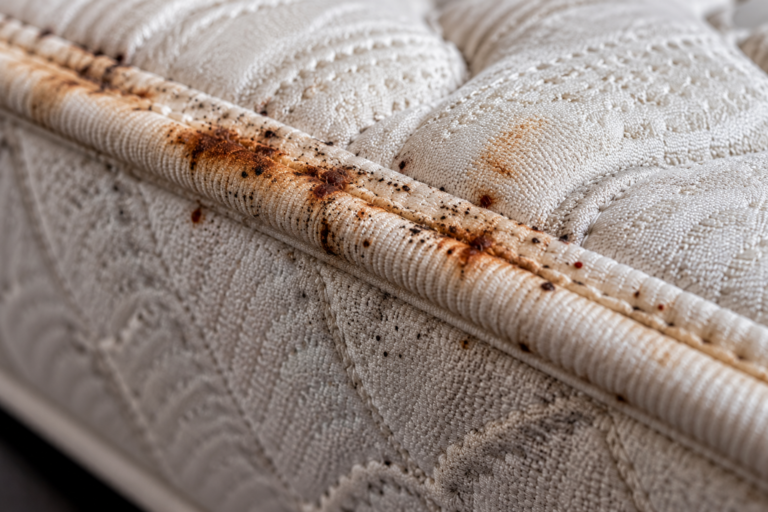
Vacuum mattress and furniture seams: Vacuum all accessible mattress seams, box spring edges, and upholstered furniture seams before treatment. Immediately remove and dispose of the vacuum bag outside, or empty a bagless canister directly into a sealed bag and dispose of it outside. Do not leave the bag or canister contents inside your home.
Clear floors: Remove all items from the floor, including items stored under the bed and in closets on the floor. All floor areas must be accessible for treatment. Clothing and items on the floor should be washed in hot water and stored in sealed bags.
Food storage: Remove pet food dishes and water bowls from treatment areas. Exposed food should be removed or covered. Food stored in sealed containers does not need to be removed.
Re-entry timing: After chemical treatment, do not re-enter for 4 hours. Allow treated surfaces to dry completely before contact. Do not wash or vacuum treated surfaces for at least 14 days, as this removes the residual product that targets newly hatched nymphs after the first visit.
What Not to Do Before Treatment
Several common preparation mistakes can reduce treatment effectiveness or cause problems after treatment. Do not move furniture from treated rooms to untreated rooms before treatment is complete, as this can spread bed bugs to areas that would otherwise be unaffected. Do not throw away your mattress before treatment; this is rarely necessary and often spreads bed bugs through common areas of multi-unit buildings in San Francisco. Do not use over-the-counter sprays or foggers before professional treatment; these push bed bugs into deeper harborage and make subsequent treatment more difficult.
For more on the full treatment sequence, see the treatment process page. For specific pre-inspection and pre-treatment questions, call (415) 520-2381.
Serving San Francisco and All Bay Area Communities Within 50 Miles
Specialized Bed Bug Solutions serves the entire city of San Francisco and every community within a 50-mile radius.