
Bed Bug Hotspots in San Francisco: Neighborhoods and Settings Most at Risk
Quick Answer
Bed bug hotspots in San Francisco are concentrated in dense Victorian and Edwardian multi-unit buildings in the Tenderloin, Mission District, SoMa, and Haight-Ashbury, as well as in hotels, hostels, and short-term rentals near Union Square, Fisherman’s Wharf, and North Beach. BART and Muni Metro can be vectors for introduction into otherwise uninfested units.

San Francisco’s bed bug problem is real, persistent, and shaped by the city’s specific built environment. Understanding which neighborhoods and settings carry the highest risk can help residents, renters, landlords, and travelers make informed decisions about inspection timing and prevention.
Why San Francisco Has a High Bed Bug Risk Profile
Several structural factors combine to make San Francisco one of the higher-risk cities in California for bed bug infestations. The city’s housing stock is dominated by pre-WWII construction, with large concentrations of Victorian and Edwardian multi-unit buildings that are 80 to 120 years old. These buildings share walls, pipe chases, and utility corridors that provide travel routes for bed bugs between units. A building treated in one unit can be re-infested from an adjacent unit within weeks if the infestation is not addressed at the building level.
The city’s dense tourist economy and high hotel concentration in neighborhoods like Union Square, Fisherman’s Wharf, Chinatown, and North Beach create constant introduction vectors from travelers arriving from internationally diverse origins. A hotel room that serves dozens of guests per month from different cities and countries is a regular entry point for bed bugs into the local environment. Those bed bugs may be carried home to residential units throughout the city and Bay Area.
San Francisco’s extensive public transit infrastructure, particularly BART and Muni Metro, provides regular passenger contact in confined seating. While bed bugs do not travel or infest transit vehicles in the same way they infest sleeping environments, transit seating is a documented vector for introduction of bugs from one person’s clothing or bag to another’s.
Tenderloin
The Tenderloin neighborhood consistently has among the highest bed bug infestation rates in San Francisco. The combination of SRO (single room occupancy) hotels, multi-unit residential buildings with high tenant turnover, and a concentration of residents who may lack resources to address infestations quickly creates conditions where infestations persist and spread. Many Tenderloin buildings date to the early 20th century and have the structural characteristics that make building-level spread common.
Landlords managing Tenderloin properties face specific California compliance requirements under Civil Code Section 1954.603 regarding disclosure and treatment obligations. Professional documentation of inspections and treatments is especially important in this context.
Mission District
The Mission District’s dense concentration of Victorian flats and converted single-family homes occupied as multi-unit rentals creates strong conditions for bed bug spread. The neighborhood’s high rental turnover, particularly in the upper Mission and 24th Street corridors, means new tenants regularly move into units that may have had prior infestations. Under-floor spaces and the shared infrastructure of converted Victorian buildings provide ideal harborage and travel routes.
Mission District renters should request written disclosure from landlords under California Civil Code Section 1954.603 and request documentation of prior inspection and treatment history before signing a lease. A pre-move-in inspection is a sensible precaution in any Mission District rental.
SoMa (South of Market)
SoMa’s mix of converted loft buildings, boutique hotels, and legacy residential buildings creates a varied risk profile. The neighborhood’s proximity to the Moscone Convention Center and its concentration of hotels used by convention travelers introduces regular vectors from out-of-town visitors. The tech industry’s concentration in SoMa also means a high population of professionals who travel frequently for work and return with luggage that may have been in infested hotel rooms.
Haight-Ashbury and Western Addition
Both neighborhoods are dominated by Victorian multi-unit buildings and have long rental histories with high tenant turnover. The Haight-Ashbury’s tourist activity adds introduction vectors from travelers staying in the neighborhood’s hostels and short-term rentals. The Western Addition’s older housing stock, including some of the city’s best-preserved Victorian architecture, also means the structural conditions for building-level spread are present throughout.
Hotels and Short-Term Rentals
Hotels near Union Square, Fisherman’s Wharf, and North Beach serve the highest volumes of international travelers. The short turnaround between guest stays at budget and midrange properties creates conditions where an infestation introduced by one guest is not identified before the next guest occupies the room. Bed bugs can survive for months without a blood meal and do not leave without professional treatment.
San Francisco’s active Airbnb and VRBO market creates a parallel short-term rental ecosystem with similar risks. Hosts who do not maintain documented inspection records are vulnerable to both guest complaints and platform disputes. See the Airbnb host treatment guide for more.

What to Do If You Live or Stay in a High-Risk Area
The most effective response to bed bug risk is early detection. A bed bug infestation caught at the first-sign stage is significantly easier and less expensive to treat than one discovered after months of establishment. If you live in a multi-unit building in any of the neighborhoods described above, an annual inspection is a reasonable precaution. If you have traveled recently and stayed in hotels, inspect your luggage and sleeping area on return before introducing luggage to your bedroom.
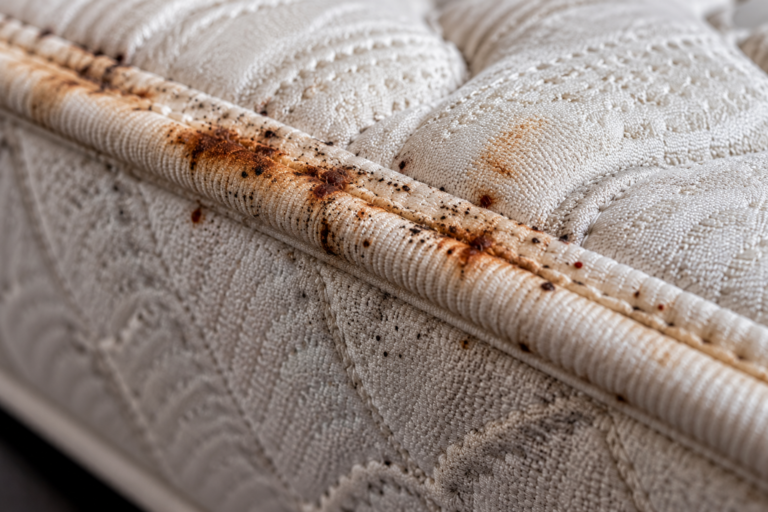
If you see signs of a bed bug infestation, do not wait. The infestation grows with every passing week. Call (415) 520-2381 for a free inspection anywhere in San Francisco or the Bay Area. Learn more about the signs of an infestation in our guide: 8 Signs of Bed Bugs in San Francisco.
Serving San Francisco and All Bay Area Communities Within 50 Miles
Specialized Bed Bug Solutions serves the entire city of San Francisco and every community within a 50-mile radius.



4 Comments