
Bed Bug Treatment for Airbnb Hosts in San Francisco: Prevention, Response, and Relisting
Quick Answer
San Francisco Airbnb hosts facing bed bug complaints should immediately suspend bookings, schedule a professional inspection within 24 hours, and obtain a written report documenting the unit status before responding to the guest complaint on the platform. Heat treatment eliminates all life stages in one visit, allowing hosts to relist faster. A documented quarterly inspection program is the strongest preventive measure.
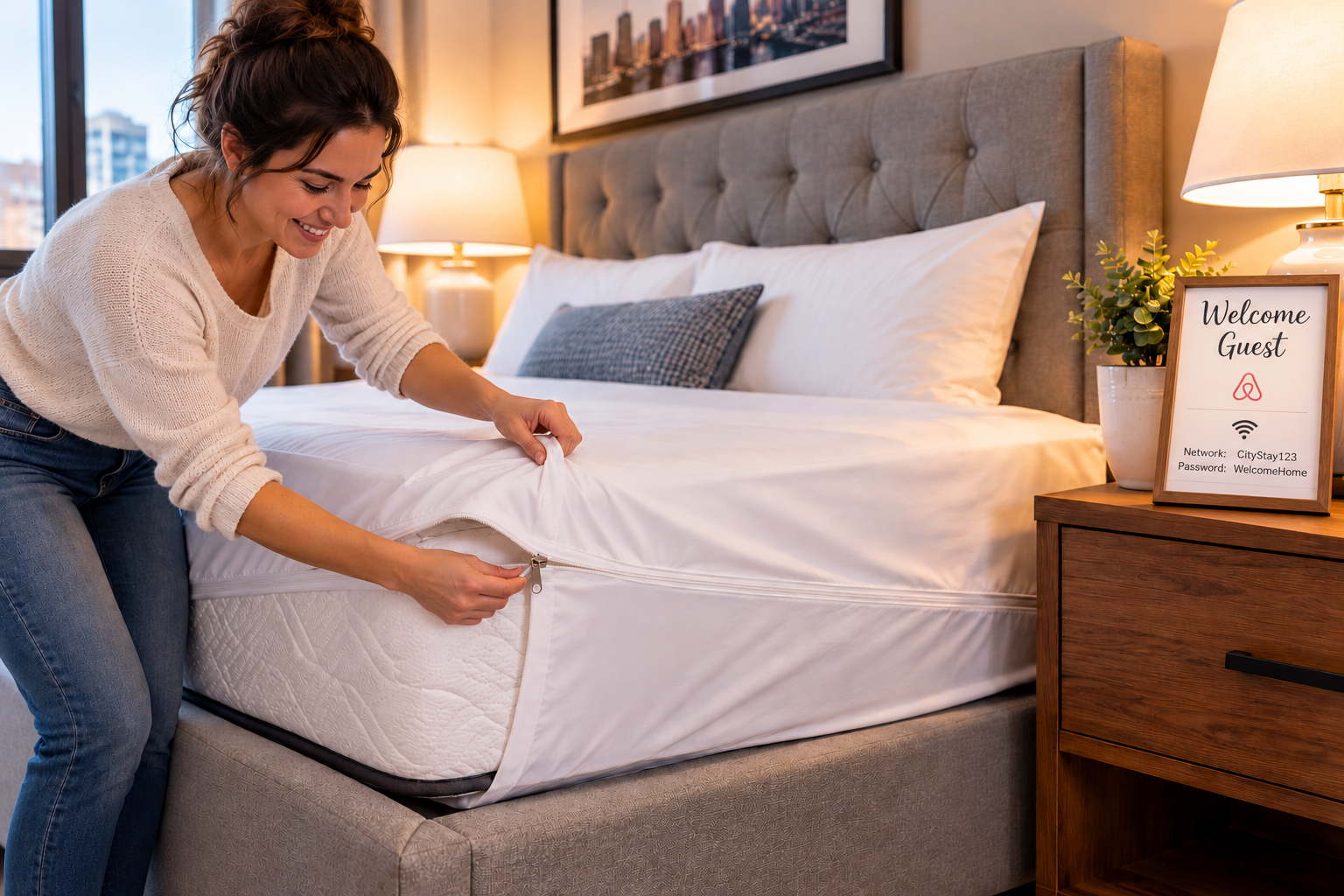
San Francisco’s active short-term rental market creates a specific bed bug management challenge. Hosts who operate Airbnb, VRBO, or other short-term rental listings in the city’s dense residential neighborhoods face regular introduction risk from guests who have recently stayed in other properties where bed bugs were present. A single introduction event can establish an infestation in a unit that then affects multiple subsequent guest stays before it is detected.
This guide covers three stages: prevention through a documented inspection program, how to respond when a guest complaint is received, and how to relist after professional treatment.
Stage 1: Prevention Through Documented Inspections
The most effective preventive measure for a San Francisco short-term rental is a documented inspection program. An inspection by a licensed pest control specialist conducted between guest stays, or at a set quarterly interval for high-turnover listings, creates a written record of the unit’s status at each point in time. This record is valuable in two ways: it provides early detection that catches infestations before they affect multiple guests, and it provides documentation in the event a guest dispute or platform review challenges the unit’s habitability.
Guests who stay in San Francisco short-term rentals come from hotels, hostels, and other short-term rentals across the city and from other cities and countries. They carry luggage that may have been exposed to bed bugs in other accommodation. The introduction risk is therefore ongoing and not dependent on the host’s own hygiene or maintenance practices. A proactive inspection program is the only reliable way to detect introductions before they affect guest stays.
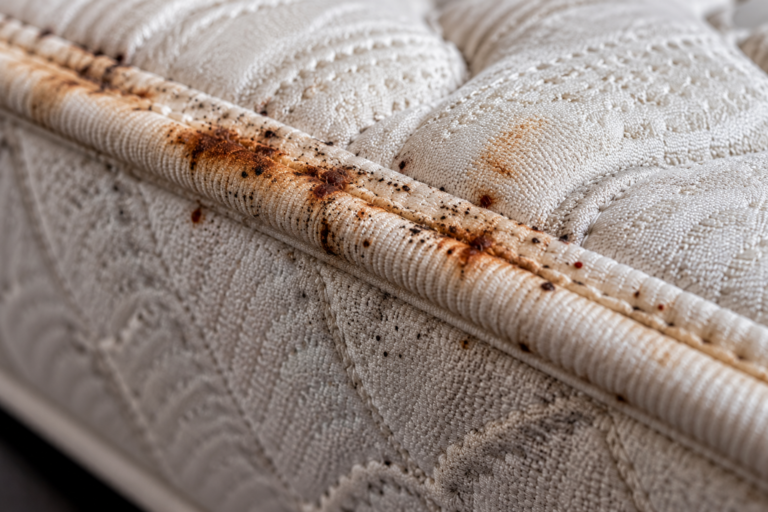
Between inspections, hosts can reduce infestation risk with several practical measures: using light-colored, tight-weave mattress encasements that make fecal staining and cast skins visible, reducing clutter in sleeping areas to minimize harborage sites, washing all bedding in hot water after each guest stay, and visually checking mattress seams and headboard crevices during each turnover. These steps do not replace professional inspection but can help detect introductions between scheduled visits.
Stage 2: Responding to a Guest Complaint
A guest bed bug complaint received during or after a stay requires a specific response sequence. The order and timing of your response matters both for the guest relationship and for your position on the platform.
Step 1: Suspend new bookings immediately. Block the dates on your calendar as soon as you receive a credible bed bug complaint. Do not allow another guest to check in until the unit has been inspected and cleared or treated. A subsequent guest affected by a known or suspected infestation creates a significantly more serious situation than the original complaint.
Step 2: Schedule a professional inspection within 24 hours. Call (415) 520-2381 for same-day response and inspection scheduling. A professional inspection provides a written report documenting the unit’s status. If the inspection finds no evidence of bed bugs, you have documentation to support your response to the guest complaint. If bed bugs are found, you have a written report confirming that you took the complaint seriously and acted on it immediately.
Step 3: Respond to the guest complaint on the platform with documentation. After the inspection is complete, respond to the guest on the platform (Airbnb, VRBO, or other) with a summary of your response: that you took the complaint seriously, suspended new bookings, and scheduled an immediate professional inspection. If the inspection found no bed bugs, share the written report. If bed bugs were found, share the inspection report and treatment confirmation. A documented, prompt response is your strongest protection against a platform dispute escalating into a suspension or removal of your listing.
Step 4: Notify Airbnb through the Resolution Center if necessary. For complaints that escalate to formal claims or refund requests, Airbnb’s Resolution Center process involves reviewing documentation from both the guest and the host. A professional inspection report dated within 24 hours of the complaint, a treatment confirmation from a licensed pest control company, and a follow-up inspection report confirming elimination represent a strong documentation package for any Resolution Center review.

Stage 3: Treatment and Relisting
For confirmed infestations, heat treatment is the preferred approach for short-term rentals because it eliminates all life stages in a single treatment session. A unit that receives heat treatment can potentially be relisted the same evening, once it has cooled to safe temperatures and been confirmed clear. Chemical treatment requires a longer post-treatment period and multiple follow-up visits, which means more blocked calendar days.
Before relisting after any bed bug treatment, obtain a follow-up inspection and written clearance report from the pest control company. This report, dated after treatment, confirms that no live activity was found during the post-treatment inspection. Keep this documentation in your records for future reference.
When relisting, update your listing’s maintenance and safety section to note that the unit follows a professional pest inspection program. This signals proactive management to future guests and is a differentiating factor in San Francisco’s competitive short-term rental market.
For inspection scheduling, same-day response, and discreet service available for all SF neighborhoods, call (415) 520-2381. See also the inspection page for details on what the free inspection covers and what documentation you receive.
Serving San Francisco and All Bay Area Communities Within 50 Miles
Specialized Bed Bug Solutions serves the entire city of San Francisco and every community within a 50-mile radius.


One Comment